FundMyEstate Blog
Flip Success Stories 2026: Real-World Case Studies & Lessons Learned
Discover real-world flip case studies from 2026, analyzing profit margins, investment strategies, and critical lessons for your next successful fix and flip project.
Flip Success Stories 2026: Real-World Case Studies & Lessons Learned
In the dynamic world of real estate, fix and flip projects continue to offer substantial opportunities for profit and portfolio growth. As we move through 2026, investors are increasingly looking for actionable insights to navigate evolving market conditions and secure impressive returns. This article dives deep into successful flip case study examples from the past year, dissecting the strategies that led to high profit margins and uncovering invaluable lessons learned from real-world scenarios.
Whether you're a seasoned property investor or just starting out, understanding the nuances of successful property flipping is crucial. We’ll explore how smart market analysis, efficient project management, and strategic financing choices combine to create profitable ventures. Our goal is to equip you with the knowledge to refine your own real estate investment strategy, minimize risks, and maximize the upside on your next project.
From identifying undervalued properties to executing value-add renovations and mastering the art of the quick sale, each flip case study provides a unique window into the challenges and triumphs of modern house flipping. By examining these examples, you'll gain practical takeaways that can be applied directly to your investment journey, helping you achieve your financial goals in 2026 and beyond.
Analyzing High-Profit Flip Projects: Dissecting Success Factors
Achieving high profit margins house flip projects isn't just about luck; it's the result of meticulous planning, strategic execution, and a keen understanding of market dynamics. Successful investors start with a robust acquisition strategy, often targeting properties with significant upside potential that others might overlook. This often involves detailed due diligence, including property inspections, local market comparable analysis, and a realistic assessment of renovation costs.
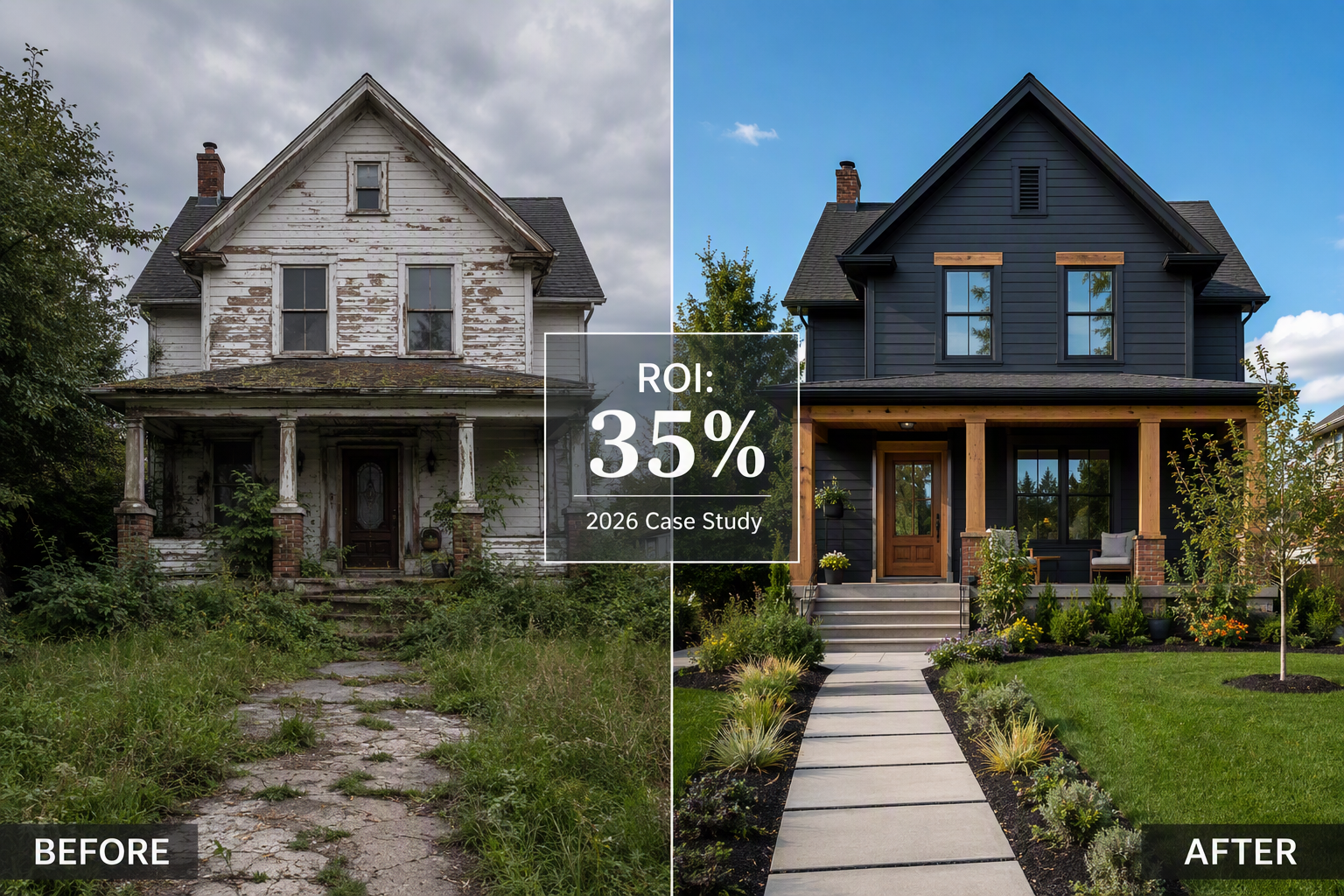
One standout flip case study from early 2026 involved a rundown 1970s suburban home in a rapidly gentrifying neighborhood. The investor secured the property significantly below market value due to its severe state of disrepair. Their success hinged on a calculated renovation plan: they focused on a complete interior overhaul, including an open-concept kitchen, modern bathrooms, and updated flooring, while minimizing structural changes to control costs. The exterior received a fresh coat of paint, new landscaping, and a modernized front door, significantly boosting curb appeal. The project was completed in just under 75 days, utilizing efficient contractors and a clear timeline, leading to a 35% return on investment after all expenses.
Another key factor in these high-profit ventures is agile financing. Many successful flippers leverage specialized lending options like hard money loans, which offer speed and flexibility that traditional bank loans cannot match. Understanding the various financing options available, and when to use them, is a critical component of any strong real estate investment strategy. The ability to close quickly on an undervalued asset often translates directly into higher profits, as it reduces competition and secures the deal before others can react.
Navigating Unexpected Challenges: Learning from Real-World Scenarios
Even the most carefully planned fix and flip projects encounter unforeseen obstacles. Learning from these real-world scenarios is crucial for refining your fix and flip lessons and building resilience as an investor. One common challenge involves unexpected structural issues discovered only after purchase, such as foundation problems or extensive water damage, which can significantly inflate budgets and extend timelines.
Consider a flip case study where an investor purchased a seemingly straightforward property. During demolition, asbestos was discovered in the insulation, requiring specialized and costly removal. Instead of panicking, the investor quickly secured an additional bridge loan to cover the unexpected expense and adjust the timeline. This swift action prevented the project from derailing entirely, although it did reduce the initial projected profit margins house flip. The key takeaway here was the importance of an emergency fund or access to flexible capital, as well as a contingency buffer in the budget. Having a reliable lending partner can make all the difference in these situations, allowing investors to adapt quickly.
Market shifts also present formidable challenges. A sudden increase in interest rates or an unexpected downturn in buyer demand can impact resale values. In a 2026 example, a flipper in a previously hot market faced slowing sales due to rising mortgage rates. Their solution involved staging the property impeccably, offering minor concessions, and utilizing targeted digital marketing to attract out-of-state buyers. These adjustments, though requiring extra effort, ultimately led to a successful sale, albeit at a slightly lower initial offer. These examples underscore the importance of adaptability, continuous market monitoring, and strategic problem-solving. For more insights on financial readiness, consider reviewing the Investment Property Loan Application: Your Complete Document Checklist for 2026.
Optimizing Profit Margins: Smart Strategies for Your Fix and Flip
Optimizing profit margins house flip ventures requires more than just buying low and selling high; it demands a strategic approach to every phase of the project. A significant aspect of this is smart renovation planning. Instead of over-improving, successful flippers identify key value-add features that resonate with target buyers in a specific neighborhood. This might include modern kitchens with stainless steel appliances, updated bathrooms, or creating open-concept living spaces, all without breaking the bank on unnecessary luxury finishes for a starter home.
Another critical strategy is efficient project management. This involves meticulous scheduling, clear communication with contractors, and regular site visits to ensure work stays on track and within budget. Delays can quickly eat into profits through holding costs like loan interest, utilities, and insurance. Leveraging technology for project tracking and utilizing a reliable network of contractors are vital for maintaining momentum. Many investors also find success in building a strong team of professionals, from real estate agents specializing in flipped homes to trusted inspectors and financial advisors.
Finally, a well-defined exit strategy is paramount. This includes understanding the local market's absorption rate (how quickly homes are selling) and pricing the property competitively to achieve a quick sale. Smart flippers often have multiple exit strategies, including the option to rent the property if the market shifts unexpectedly. For investors looking to build a long-term portfolio, bridge financing can be a powerful tool, allowing them to acquire new properties while waiting for existing ones to sell or to stabilize rental income. Learn more about this strategic approach in Building Your Real Estate Portfolio with Bridge Financing: A Strategic Playbook.
Key Takeaways for Your Next Successful Fix and Flip Investment
The flip case study examples from 2026 offer a wealth of fix and flip lessons that can significantly impact your future investment success. The overarching theme is that success in real estate flipping is a blend of astute market analysis, disciplined financial management, and adaptable problem-solving. It's not enough to simply identify a distressed property; you must have a clear vision for its transformation, a realistic budget, and a solid understanding of how to finance your project efficiently.
Here are some actionable takeaways:
- Thorough Due Diligence: Never skip inspections. Budget for contingencies, especially in older homes, to absorb unexpected repair costs.
- Strategic Renovations: Focus on value-add improvements that appeal to your target demographic without overcapitalizing. Kitchens and bathrooms offer the highest ROI.
- Efficient Project Management: Time is money. Minimize holding costs by managing contractors tightly and sticking to renovation timelines.
- Flexible Financing: Explore hard money loans or bridge loans for quick acquisition and access to capital for renovations. These specialized loans can be a game-changer for speed and flexibility.
- Market Awareness: Continuously monitor local market trends, interest rates, and buyer demand to adjust your pricing and marketing strategy as needed.
- Build a Strong Team: Surround yourself with reliable contractors, real estate agents, and lenders who understand the fix and flip model.
By integrating these lessons into your own real estate investment strategy, you'll be better equipped to navigate the complexities of the market, mitigate risks, and maximize your profit margins house flip. Your next successful flip is within reach with the right approach and resources.
Ready to secure the financing for your next profitable flip? Apply for a Loan Today!
Frequently Asked Questions (FAQs)
Q1: What's a good profit margin to aim for in a fix and flip project?
A: While profit margins vary widely by market and project complexity, many experienced flippers aim for a gross profit margin of 20-30% before financing costs, or at least a 15% net profit after all expenses. The "70% Rule" (purchase price + renovation costs should be no more than 70% of the After Repair Value) is a common guideline.
Q2: How important is location in a flip case study?
A: Location is paramount. A good location with strong schools, amenities, and job growth can mitigate some risks, even with a less-than-perfect renovation. A bad location can make even a perfectly flipped home difficult to sell at a profit.
Q3: How do I find funding for my fix and flip projects?
A: Many investors utilize hard money loans or bridge loans from private lenders like FundMyEstate. These loans offer faster approval and funding than traditional banks, are asset-based, and are designed specifically for short-term real estate investments. You can also explore private investors or traditional bank loans if you have more time.
Q4: What are the biggest risks in fix and flip real estate?
A: Key risks include unforeseen renovation costs (e.g., structural issues, hazardous materials), market downturns that lower property values, extended holding periods leading to higher carrying costs, and issues with contractors. Proper due diligence and contingency planning are vital to mitigate these risks.
Conclusion
The journey through various flip case study examples from 2026 clearly illustrates that while lucrative, real estate flipping demands strategic acumen, adaptability, and access to the right resources. From the careful dissection of high-profit ventures to understanding how seasoned investors navigate unexpected challenges, the fix and flip lessons are invaluable. Success hinges on a robust real estate investment strategy, where meticulous planning meets efficient execution and smart financing choices.
Ultimately, maximizing profit margins house flip projects isn't a secret formula, but rather a consistent application of best practices: thorough market research, realistic budgeting, effective project management, and a willingness to learn from every experience. As the market continues to evolve, staying informed and agile will be your greatest assets. FundMyEstate is committed to empowering investors with the flexible financing solutions needed to turn these insights into tangible success.
Are you ready to apply these lessons to your next venture? Explore our tailored loan programs, including fix & flip financing, bridge loans, and new construction loans, designed to support your investment goals. Your next successful flip starts with strategic planning and reliable funding. Discover your financing options today!