FundMyEstate Blog
Understanding New Construction Loans
A comprehensive guide to new construction loans — how they work, qualification requirements, and strategies to secure the best terms for your next build.
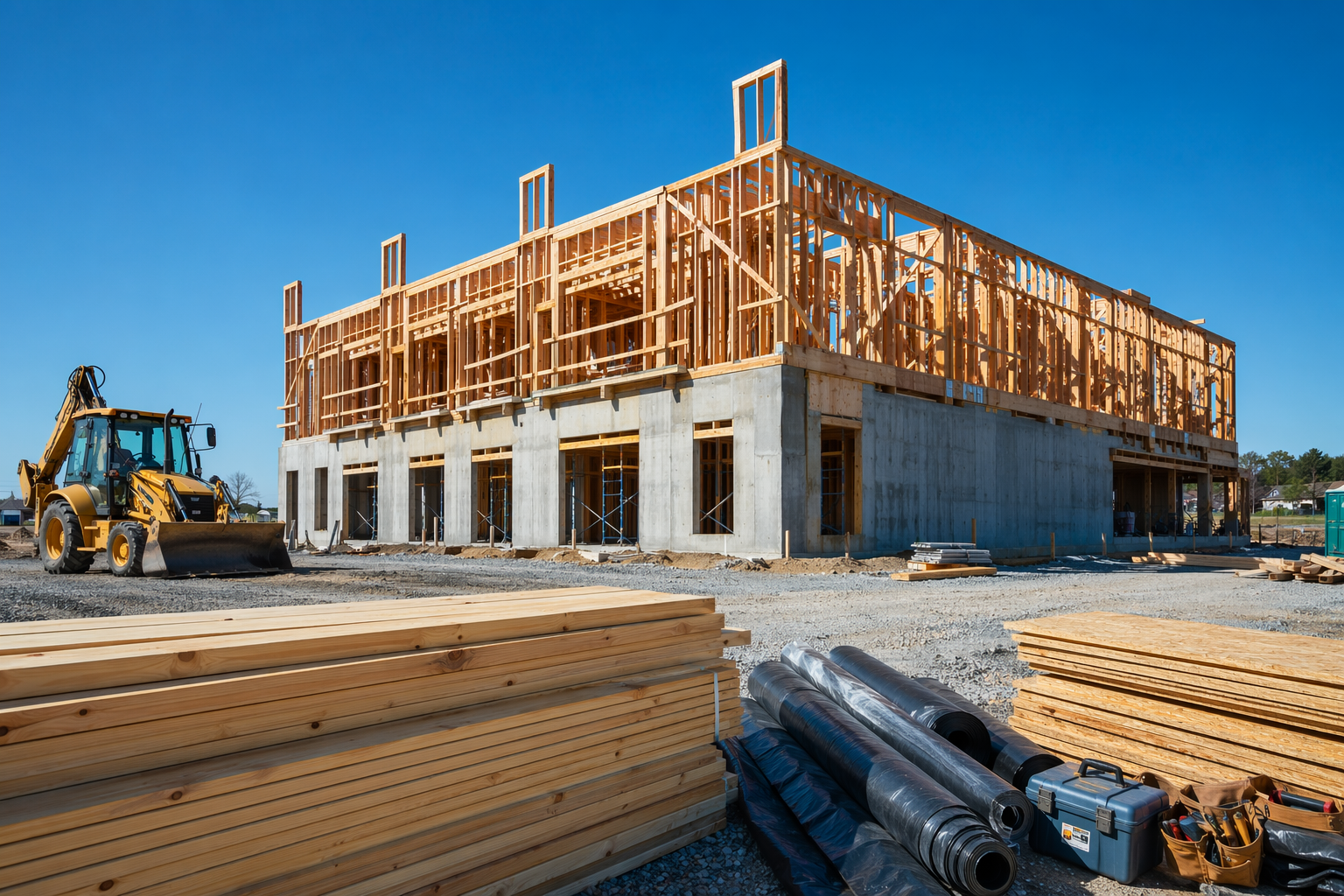
Understanding New Construction Loans: A Complete Guide
Building a property from the ground up is one of the most rewarding — and complex — strategies in real estate investing. You need financing that matches the unique demands of a construction project, and that is exactly what new construction loans provide.
In this guide, we will cover how construction loans work, how they differ from traditional mortgages, the draw schedule, qualification requirements, typical terms, and strategies to secure the best deal.
What Are New Construction Loans?
New construction loans are short-term financing products designed for investors building a property from scratch. Unlike a standard mortgage that disburses a lump sum at closing, a construction loan releases funds incrementally as the project progresses through defined milestones.
Also called "interim financing" or "building loans," they bridge the gap between the start of construction and the point where the property is complete and can be refinanced or sold. Most carry terms of 12 to 36 months.
How Construction Loans Differ from Traditional Mortgages
- Disbursement: A traditional mortgage pays the full amount at closing. A construction loan disburses in stages ("draws") as work is completed — you only borrow and pay interest on what you have used.
- Interest structure: Construction loans are typically interest-only during the build, keeping monthly payments lower. Traditional mortgages require principal and interest from day one.
- Loan term: Construction loans are short-term (12–36 months). Traditional mortgages span 15–30 years.
- Risk profile: Lenders view construction as higher risk because the collateral does not exist yet, so qualification standards and down payment requirements are stricter.
- Appraisal basis: Traditional mortgages appraise the current value of an existing property. Construction loans appraise the as-completed value — what the property will be worth once finished.
The Draw Schedule
The draw schedule is the backbone of every construction loan. Rather than receiving all funds upfront, you request draws at predetermined milestones:
- Closing draw — Purchase the lot, permits, and site preparation.
- Foundation draw — Released after the foundation is poured and inspected.
- Framing draw — Released once the structure is framed and roofed.
- Mechanicals draw — Plumbing, electrical, and HVAC rough-ins.
- Interior finish draw — Drywall, flooring, and fixtures installed.
- Final draw — Punch list complete and final inspection passed.
Before each draw, the lender sends an inspector to verify the work matches the plans. Pro tip: Align your draw schedule with your general contractor's payment expectations before closing — misaligned timing causes costly delays.
Qualification Requirements
Lenders evaluate construction loan applicants across several dimensions:
- Credit score: Most require a minimum FICO of 620–680. Higher scores unlock better terms.
- Down payment: Expect 20–30% of total project cost (land + construction). Strong experience or additional collateral may reduce this.
- Construction experience: First-time builders face higher scrutiny. A track record of completed projects can meaningfully improve your terms.
- Project feasibility: You will need architectural plans, a line-item budget, a realistic timeline, and contractor bids.
- Debt-to-income ratio: Most lenders prefer a DTI below 43%, though flexible lenders may go higher for experienced investors.
Typical Terms and Rates
| Feature | Typical Range |
|---|---|
| Interest rate | 8%–14% |
| Loan term | 12–36 months |
| Loan-to-cost (LTC) | 70%–80% of total project cost |
| Loan-to-value (LTV) | Up to 75% of as-completed value |
| Draw fees | $250–$500 per inspection |
| Origination fee | 1%–3% of loan amount |
Rates are higher than traditional mortgages because the lender takes on more risk — the property does not exist yet as collateral. However, because these are short-term loans, total interest paid is often manageable if the property is sold or refinanced promptly after completion.
Strategies for Better Terms
- Prepare a detailed budget and timeline. A line-item budget with contractor bids shows thorough planning and builds lender confidence.
- Showcase your track record. Provide photos, budgets, and profit/loss statements from past successful builds.
- Shop multiple lenders. Compare rates, fees, draw schedules, and flexibility from at least three lenders.
- Increase your down payment. More equity reduces lender risk and can lower your rate.
- Hire experienced contractors. Lenders prefer licensed, insured general contractors with verifiable experience.
Common Mistakes to Avoid
- Underestimating the budget. Always include a 10–15% contingency for material price fluctuations, weather delays, and unexpected site conditions.
- Choosing the cheapest contractor. Low bids often mean cut corners, change orders, and missed deadlines. Vet thoroughly and check references.
- Ignoring the draw schedule. If your contractor expects payment before a draw is available, you face cash flow problems. Align payment terms with the draw schedule.
- Over-improving the property. Finishes that exceed neighborhood standards will not deliver proportional value at resale. Build to the market.
- Neglecting permit timelines. Permitting delays can push your project past the loan maturity date. Build in buffer time for approvals.
Construction-to-Permanent (C2P) Loans
If you plan to hold the property long-term, a construction-to-permanent (C2P) loan may be a better fit. These combine the construction phase and permanent mortgage into a single loan with one closing.
Benefits: One closing instead of two (saving on costs), a locked-in permanent rate before construction begins, and no need to re-qualify after the build.
Trade-offs: C2P loans often carry slightly higher construction-phase rates and less flexibility in choosing your permanent loan product. They are best for investors confident they want to hold the property and who prefer the convenience of a single transaction.
Ready to Build?
New construction loans are a powerful tool for investors who want to create value from the ground up. By understanding how draws work, preparing a solid project plan, and avoiding common mistakes, you can secure the financing you need and bring your vision to life.
If you are ready to explore new construction loan options, our team at FundMyEstate can help you find the right financing for your next build. Apply now and get pre-qualified in as little as 24 hours.