FundMyEstate Blog
The 2026 Housing Shortage Investor Blueprint
A strategic blueprint for real estate investors navigating the 2026 housing shortage. Learn about market dynamics, investment opportunities, and how to capitalize on the supply-demand gap.
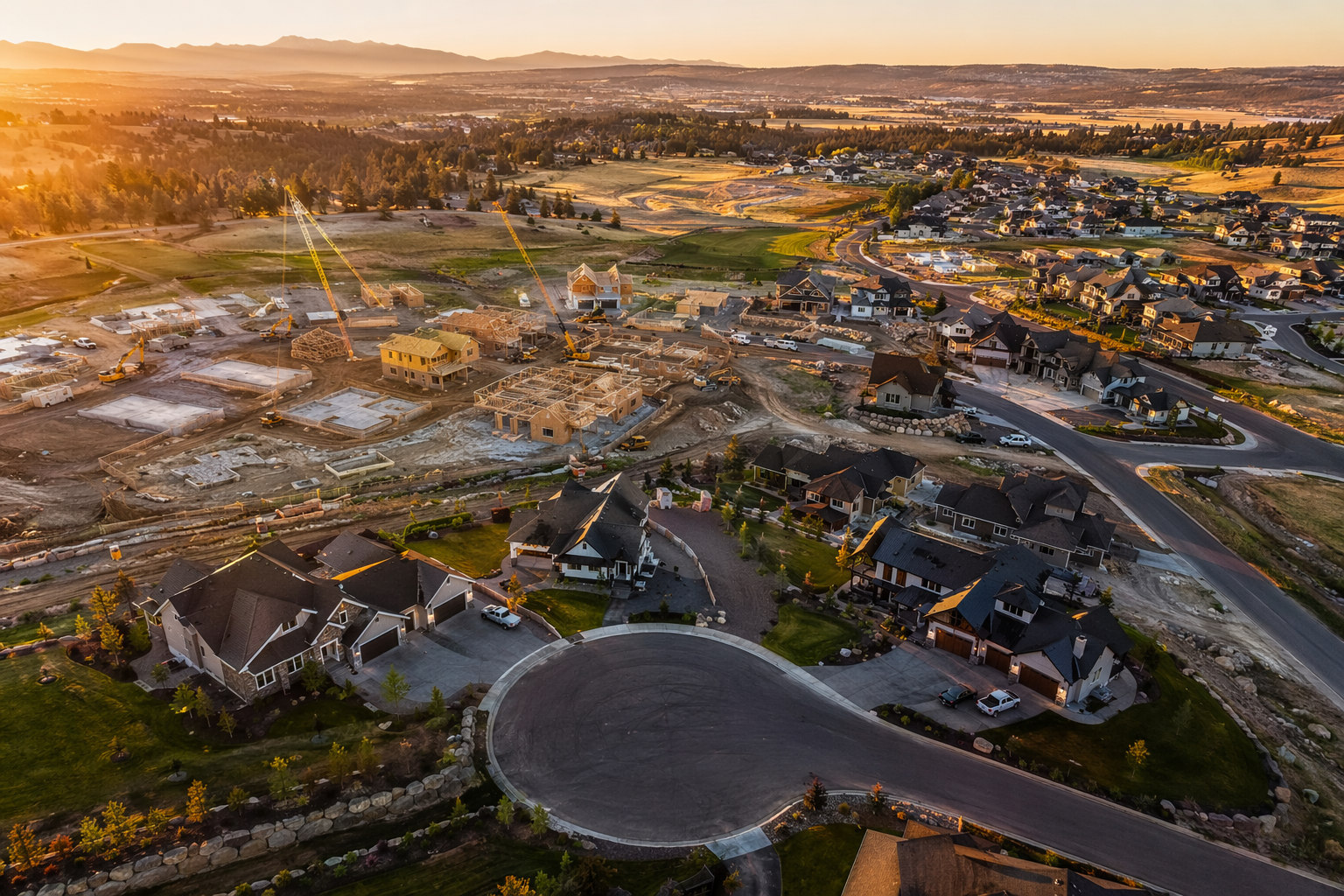
The 2026 Housing Shortage Investor Blueprint
The United States faces an unprecedented housing shortage that presents both challenges and extraordinary opportunities for real estate investors. With an estimated deficit of 3.8 to 6.5 million housing units and no quick fix in sight, the supply-demand gap is reshaping markets nationwide. This blueprint provides a strategic framework for capitalizing on one of the most significant real estate dislocations in modern history.
The Scale of the Shortage
The U.S. housing deficit did not appear overnight. It has been building for over a decade, and the numbers are staggering:
- Underbuilding after 2008 — After the financial crisis, home construction collapsed and never recovered to pre-crash levels. From 2010 to 2020, the U.S. built roughly 1.5 million fewer units per decade than household formation demanded.
- Supply chain disruptions — Pandemic-era material shortages and labor gaps drove construction costs up 30–40%, pricing many projects out of feasibility.
- Zoning and regulatory barriers — Restrictive land-use policies, lengthy permitting processes, and NIMBY opposition continue to throttle new supply in the markets that need it most.
- Demographic pressure — Millennials, the largest generation, are in peak homebuying years. Household formation has outpaced new construction every year since 2012.
The result: a structural deficit that cannot be closed in a single building cycle. Even at elevated construction rates, most analysts estimate it will take 5–10 years to close the gap.
Why 2026 Is a Pivotal Year
Several converging factors make 2026 a critical window for housing investors:
- Interest rate stabilization — The Fed's rate trajectory is becoming clearer, reducing the uncertainty that froze both buyers and sellers in 2023–2025. As rates settle, transaction volume is recovering.
- Construction cost normalization — Supply chains have largely recovered. Lumber prices have returned to pre-pandemic ranges, and labor availability is improving, making new builds more feasible.
- Demographic tailwinds — The largest cohort of first-time buyers continues entering the market, while aging Baby Boomers are driving demand for downsized and accessible housing.
- Policy momentum — Federal, state, and local governments are pushing for more housing. ADU-friendly legislation, density bonuses, and streamlined permitting are opening doors that were closed for decades.
Investors who position themselves now — before the market fully adjusts — stand to capture the strongest returns.
Investment Strategies for the Shortage
New Construction
Building new housing is the most direct way to address the shortage and generate returns. Key opportunities include:
- Single-family rentals (SFRs) — Demand in suburban markets remains robust. Build-to-rent communities offer predictable cash flow and lower vacancy risk.
- Accessory dwelling units (ADUs) — Growing regulatory support across California, Oregon, Washington, and other states makes ADUs one of the fastest-growing segments. Low entry costs and strong rental yields make them especially attractive.
- Multifamily development — Essential in high-demand urban areas where land is scarce and density is needed. Mid-rise apartment buildings in transit-oriented corridors deliver consistent returns.
Explore new construction loan options to finance your next build with flexible draw schedules and competitive rates.
Value-Add Acquisitions
Existing properties can be repositioned to increase both housing supply and investor returns:
- Commercial-to-residential conversions — Vacant office buildings in downtown cores present conversion opportunities. While not every building is a candidate, well-located Class B offices with favorable floor plates can be transformed into desirable residential units at a fraction of new-build costs.
- Adding units — Splitting large single-family homes into duplexes or triplexes, or adding ADUs to existing lots, increases unit count without ground-up construction.
- Rehabilitating distressed properties — The post-pandemic market left a trail of deferred maintenance and vacant units. Bringing these back online adds supply and generates strong margins for investors willing to do the work.
Bridge and Construction Financing
Speed is essential in a competitive market. Bridge loans and construction financing allow investors to:
- Close quickly on time-sensitive deals before competitors
- Fund renovations that increase property value and housing quality
- Bridge the gap between acquisition and permanent financing or sale
In a market where timing determines whether you win or lose a deal, having fast, reliable financing is not optional — it is a competitive advantage.
Regional Hotspots and Market Selection
Not all markets are created equal. The best opportunities combine strong demand drivers with favorable supply constraints:
- Sun Belt metros — Austin, Dallas, Phoenix, and Tampa continue to attract domestic migration, job growth, and corporate relocations. Demand outstrips supply in most price segments.
- High-barrier coastal cities — New York, Boston, and San Francisco have the most restrictive zoning and the deepest shortages. ADU and conversion opportunities are especially promising.
- Secondary markets — Smaller cities like Boise, Raleigh, and Nashville offer lower entry costs, growing populations, and less institutional competition.
When selecting a market, prioritize job growth, population trends, permitting activity, and rent-to-income ratios. Data-driven market selection is the foundation of every successful investment.
Risk Management and Due Diligence
Even in a shortage, not every deal is a good deal. Protect yourself with rigorous due diligence:
- Stress-test your pro forma — Model downside scenarios with higher vacancy, lower rents, and increased costs. If the deal still cash flows, it is worth pursuing.
- Budget for overruns — Construction projects almost always cost more and take longer than planned. Build a 15–20% contingency into every budget.
- Verify entitlements — Never assume permits will be approved on schedule. Confirm zoning, entitlements, and environmental clearances before committing capital.
- Monitor interest rate risk — If you are using floating-rate debt, model the impact of rate increases on your carry costs and exit strategy.
Financing Strategies
The right financing structure can make or break a project in this market:
- Construction loans for ground-up builds with milestone-based draws that align with your project timeline
- Bridge loans for quick acquisitions and value-add rehabs, with closings in days rather than months
- Fix-and-flip financing for rehab projects where speed and leverage drive returns
- Construction-to-permanent loans if you plan to hold the property long-term
FundMyEstate offers loan amounts from $50,000 to $5,000,000+ across all of these product types, with the speed and flexibility that the current market demands.
Key Takeaways
- The housing shortage is structural — it will persist for years and support strong demand across most markets
- 2026 presents a unique window with stabilizing rates, normalizing costs, and strong demographic tailwinds
- Multiple strategies — from new construction to value-add to ADUs — can generate strong returns
- Market selection and rigorous due diligence separate successful investors from those who overpay
- Fast, flexible financing is essential for capitalizing on opportunities before competitors do
The investors who move decisively in this market will be well-positioned to build lasting wealth while helping address one of America's most pressing challenges. Apply now and get pre-qualified in as little as 24 hours.